Buy now. Refi later FOR FREE if rates fall.*
- Buy
- Refinance
- Rates
- Loan Types
- Blog
- Tools
- Mortgage Capital
Buy now. Refi later FOR FREE if rates fall.*

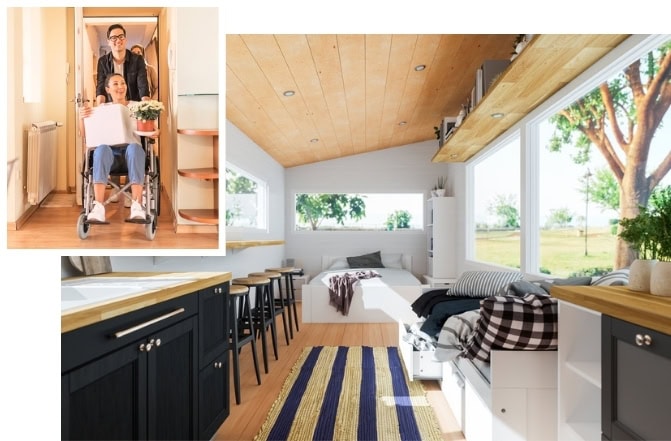
This program offers essential support for first-time buyers in underserved communities, providing up to $10,000 in grants for closing costs.

UPDATE: As of 1/21/2025, the Pathway to Homeownership Closing Cost Assistance Grant Program has replenished its funds. Please reach out to us ASAP if you’re interested in this program, as funds tend to be allocated quickly.
Transform your dream of homeownership into reality with the Pathway to Homeownership Closing Cost Assistance Grant Program. This program, an initiative by the California Association of REALTORS® Housing Affordability Fund (HAF), in partnership with Neighborhood Partnership Housing Services (NPHS) and HUD.GOV, offers essential support for first-time buyers in underserved communities, providing up to $10,000 in grants for closing costs.
The Pathway to Homeownership Program is designed to help you overcome the affordability gap in California’s real estate market, particularly for first-time buyers in underserved communities. By offering substantial closing cost assistance and ensuring you’re well-prepared for the responsibilities of homeownership, this program makes buying a home more achievable.
The Pathway to Homeownership program offers unique advantages and faces specific limitations when compared to other financial aid programs available to homebuyers. Here’s a detailed look at the pros and cons:
Unlike loans or mortgages that increase your financial liabilities, this program provides up to $10,000 as a non-repayable grant. This means you enhance your home-buying capacity without accumulating additional debt, making it easier to manage your finances post-purchase.
Specifically targeting people of color, persons with disabilities, and LGBTQ+ community members, this program addresses systemic barriers to homeownership. It not only provides financial assistance but also promotes social equity by making homeownership more accessible to historically marginalized groups.
Beyond the monetary grant, the program mandates educational courses approved by HUD. This ensures that recipients are not just financially supported but are also well-informed about the responsibilities and intricacies of homeownership, leading to more sustainable and informed property management.
The program allows for a range of property types, including single-family residences, condos, and manufactured homes within California’s 58 counties. Additionally, with income limits set at 120% of AMI, it accommodates a broader segment of the population than many other assistance programs.
The program is limited to those who have not owned property in the last three years, which excludes individuals looking to upgrade or downsize their current homes. This limitation narrows the potential pool of beneficiaries and may not assist those facing challenges in later stages of homeownership.
While the focus on underserved communities is a significant strength, it also means that individuals outside these specified groups may not find assistance through this program, limiting its reach and applicability in broader contexts.
The detailed eligibility and application processes, including mandatory education and strict residency requirements, may be daunting for some potential applicants. This complexity can lead to delays or challenges in accessing the program’s benefits, especially for those unfamiliar with bureaucratic procedures.
As the program operates on a first-come, first-serve basis, there is a risk that funds may be exhausted before all eligible applicants can be served. This can lead to uncertainty for applicants who might fulfill all criteria but still miss out due to timing or high demand.
The Pathway to Homeownership Closing Cost Assistance Grant Program is designed to facilitate the journey to homeownership for first-time buyers in California’s underserved communities. Here’s a step-by-step breakdown of how the program operates to ensure clarity and transparency for prospective applicants:
By following these detailed steps, the Pathway to Homeownership program ensures that eligible first-time homebuyers are well-prepared and supported throughout the entire homebuying process, from initial consultation to successful homeownership.
While the Pathway to Homeownership program offers significant benefits and support for first-time buyers in underserved communities, it is essential to be aware of the specific restrictions that govern its operation. These constraints are designed to ensure that the program’s resources are used effectively and reach those who need them most. Here’s a closer look at these restrictions:
Participants in the program cannot receive any form of cash back from the transaction. This includes, but is not limited to, earnest money deposits (EMD), gifts, rebates, excess financing beyond actual costs, and refunds upon closing. The intention here is to prevent the misuse of grant funds and ensure they are strictly used for their designated purpose—covering closing costs.
After purchasing the home, recipients are required to have no more than $20,000 in savings. This rule underscores the program’s commitment to assisting those who do not have extensive financial resources beyond the immediate needs of homeownership.
Directors, officers, and employees of the California Association of REALTORS®, Neighborhood Partnership Housing Services (NPHS), their subsidiaries, affiliates, and immediate family members are not eligible to receive the grant. This restriction is in place to avoid conflicts of interest and ensure fairness in the distribution of funds.
The purchased property must be a single-family residence, which can include manufactured homes or mobile homes if affixed to the property, units in condominiums, cooperatives, or planned unit developments, or single-family residential 1-4 unit properties. Additionally, the property must be located within one of California’s 58 counties and must not have affordable housing deed restrictions that limit the owner’s rights to the property’s equity or resale.
Program grant funds must be the final source of funds used to complete the transaction. All other sources of funds, including EMD, loans, down payment assistance, gifts, and other grants, must be accounted for and distributed before the allocation and distribution of the Program Grant Funds.
To purchase the property, recipients must have used financing consistent with the National Association of REALTORS® Responsible Lending Criteria. This means avoiding abusive lending practices and supporting responsible lending principles. Recipients must not have paid all-cash for the purchase, except under special circumstances approved in writing by the Grantor.
Recipients must certify their intent to move into the property within 60 days of the close of escrow and occupy it as their principal residence for at least three years. This commitment ensures that the program benefits those genuinely seeking long-term homeownership rather than speculative or investment purposes.
JVM Lending, as your lender, and escrow/title must submit the Final Closing Disclosure (FCD) and Settlement Statement (SS) to NPHS at least 3 business days prior to the Planned Close of Escrow (PCOE) for evaluation of the recipient’s continued eligibility and compliance with the program criteria. Any revisions to these documents must also be re-submitted for re-evaluation.
These restrictions are crucial for maintaining the integrity of the Pathway to Homeownership program and ensuring that it fulfills its mission to help first-time homebuyers in California’s underserved communities achieve their dreams of homeownership in a fair and equitable manner.
Embark on a smoother and more secure path to owning your home with the Pathway to Homeownership program. Contact JVM Lending at (855) 855-4491 or [email protected] for a detailed consultation and begin your journey to homeownership with confidence.
Additional Information about the Pathway to Homeownership Program: A Guide To California’s Pathway To Homeownership Grant Program