

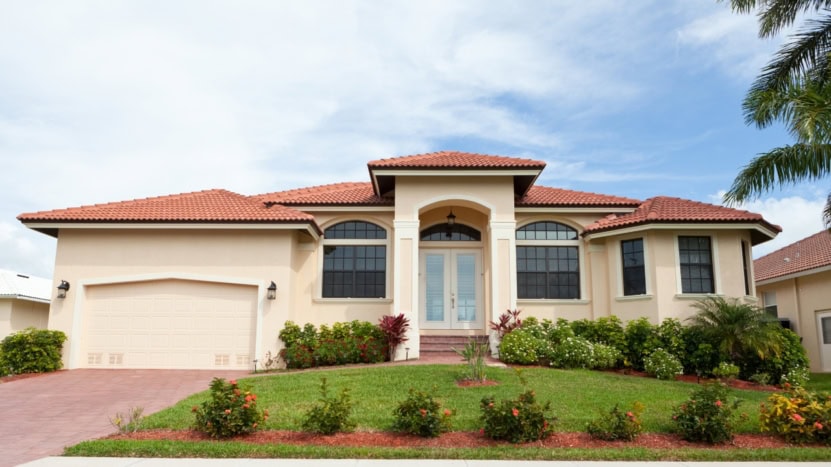
If you’re buying a home in Florida in 2025 with an FHA-backed mortgage, it’s important to understand the FHA loan limits. These limits, set by the U.S. Department of Housing and Urban Development (HUD), determine the maximum you can borrow with an FHA-insured loan. Staying within these limits can help you access benefits like lower down payment requirements and more flexible credit score criteria, while avoiding alternative financing that may carry higher costs.
In this guide, we’ll break down the 2025 FHA loan limits for Florida, explain how they are calculated, and highlight what they mean for your homebuying options.
2025 FHA Loan Limits for Florida
For 2025, FHA loan limits in Florida for a single-family home have a baseline (standard) limit of $524,225. In designated higher-cost counties where median home values exceed HUD thresholds, the limit increases up to $967,150. These limits apply to FHA purchase or refinance loans insured by the Federal Housing Administration.
| County | 1 Unit | 2 Units | 3 Units | 4 Units |
|---|---|---|---|---|
| Alachua County | $524,225 | $671,200 | $811,275 | $1,008,300 |
| Baker County | $580,750 | $743,450 | $898,700 | $1,116,850 |
| Bay County | $524,225 | $671,200 | $811,275 | $1,008,300 |
| Bradford County | $524,225 | $671,200 | $811,275 | $1,008,300 |
| Brevard County | $524,225 | $671,200 | $811,275 | $1,008,300 |
| Broward County | $654,350 | $837,700 | $1,012,550 | $1,258,400 |
| Calhoun County | $524,225 | $671,200 | $811,275 | $1,008,300 |
| Charlotte County | $524,225 | $671,200 | $811,275 | $1,008,300 |
| Citrus County | $524,225 | $671,200 | $811,275 | $1,008,300 |
| Clay County | $580,750 | $743,450 | $898,700 | $1,116,850 |
| Collier County | $764,750 | $979,000 | $1,183,400 | $1,470,700 |
| Columbia County | $524,225 | $671,200 | $811,275 | $1,008,300 |
| Desoto County | $524,225 | $671,200 | $811,275 | $1,008,300 |
| Dixie County | $524,225 | $671,200 | $811,275 | $1,008,300 |
| Duval County | $580,750 | $743,450 | $898,700 | $1,116,850 |
| Escambia County | $524,225 | $671,200 | $811,275 | $1,008,300 |
| Flagler County | $524,225 | $671,200 | $811,275 | $1,008,300 |
| Franklin County | $524,225 | $671,200 | $811,275 | $1,008,300 |
| Gadsden County | $524,225 | $671,200 | $811,275 | $1,008,300 |
| Gilchrist County | $524,225 | $671,200 | $811,275 | $1,008,300 |
| Glades County | $524,225 | $671,200 | $811,275 | $1,008,300 |
| Gulf County | $692,300 | $886,250 | $1,071,300 | $1,331,350 |
| Hamilton County | $524,225 | $671,200 | $811,275 | $1,008,300 |
| Hardee County | $524,225 | $671,200 | $811,275 | $1,008,300 |
| Hendry County | $524,225 | $671,200 | $811,275 | $1,008,300 |
| Hernando County | $524,225 | $671,200 | $811,275 | $1,008,300 |
| Highlands County | $524,225 | $671,200 | $811,275 | $1,008,300 |
| Hillsborough County | $524,225 | $671,200 | $811,275 | $1,008,300 |
| Holmes County | $524,225 | $671,200 | $811,275 | $1,008,300 |
| Indian River County | $524,225 | $671,200 | $811,275 | $1,008,300 |
| Jackson County | $524,225 | $671,200 | $811,275 | $1,008,300 |
| Jefferson County | $524,225 | $671,200 | $811,275 | $1,008,300 |
| Lafayette County | $524,225 | $671,200 | $811,275 | $1,008,300 |
| Lake County | $524,225 | $671,200 | $811,275 | $1,008,300 |
| Lee County | $524,225 | $671,200 | $811,275 | $1,008,300 |
| Leon County | $524,225 | $671,200 | $811,275 | $1,008,300 |
| Levy County | $524,225 | $671,200 | $811,275 | $1,008,300 |
| Liberty County | $524,225 | $671,200 | $811,275 | $1,008,300 |
| Madison County | $524,225 | $671,200 | $811,275 | $1,008,300 |
| Manatee County | $547,400 | $700,750 | $847,050 | $1,052,700 |
| Marion County | $524,225 | $671,200 | $811,275 | $1,008,300 |
| Martin County | $596,850 | $764,050 | $923,600 | $1,147,800 |
| Miami-Dade County | $654,350 | $837,700 | $1,012,550 | $1,258,400 |
| Monroe County | $967,150 | $1,238,150 | $1,496,600 | $1,859,950 |
| Nassau County | $580,750 | $743,450 | $898,700 | $1,116,850 |
| Okaloosa County | $603,750 | $772,900 | $934,250 | $1,161,050 |
| Okeechobee County | $692,300 | $886,250 | $1,071,300 | $1,331,350 |
| Orange County | $524,225 | $671,200 | $811,275 | $1,008,300 |
| Osceola County | $524,225 | $671,200 | $811,275 | $1,008,300 |
| Palm Beach County | $654,350 | $837,700 | $1,012,550 | $1,258,400 |
| Pasco County | $524,225 | $671,200 | $811,275 | $1,008,300 |
| Pinellas County | $524,225 | $671,200 | $811,275 | $1,008,300 |
| Polk County | $524,225 | $671,200 | $811,275 | $1,008,300 |
| Putnam County | $524,225 | $671,200 | $811,275 | $1,008,300 |
| Santa Rosa County | $524,225 | $671,200 | $811,275 | $1,008,300 |
| Sarasota County | $547,400 | $700,750 | $847,050 | $1,052,700 |
| Seminole County | $524,225 | $671,200 | $811,275 | $1,008,300 |
| St. Johns County | $580,750 | $743,450 | $898,700 | $1,116,850 |
| St. Lucie County | $596,850 | $764,050 | $923,600 | $1,147,800 |
| Sumter County | $524,225 | $671,200 | $811,275 | $1,008,300 |
| Suwannee County | $524,225 | $671,200 | $811,275 | $1,008,300 |
| Taylor County | $692,300 | $886,250 | $1,071,300 | $1,331,350 |
| Union County | $524,225 | $671,200 | $811,275 | $1,008,300 |
| Volusia County | $524,225 | $671,200 | $811,275 | $1,008,300 |
| Wakulla County | $524,225 | $671,200 | $811,275 | $1,008,300 |
| Walton County | $603,750 | $772,900 | $934,250 | $1,161,050 |
| Washington County | $524,225 | $671,200 | $811,275 | $1,008,300 |
How Are FHA Loan Limits Determined?
HUD sets FHA loan limits annually based on national and local housing data. It begins by establishing a national “floor” and “ceiling” using median home prices and federally mandated formulas. HUD then compares each county’s median price to these figures: if a county’s median exceeds a certain threshold, it qualifies as a “high-cost area,” allowing a higher FHA limit up to the ceiling.
In Florida, this means that most counties fall under the $524,225 baseline; however, areas with more expensive housing, such as Monroe County, Miami-Dade, and Collier, qualify for limits of up to $967,150 in 2025.
These figures are reviewed yearly to keep FHA financing aligned with local market conditions.
Why Do FHA Loan Limits Matter?
FHA loan limits set the maximum you can borrow under an FHA-insured mortgage. These limits affect:
- Eligibility for FHA Financing: If your required loan amount exceeds the limit for your county, you’ll need to explore conventional or jumbo options.
- Down Payment Planning: FHA loans typically require just 3.5% down. Understanding your limit helps you calculate how much you’ll need upfront and whether to adjust your price or down payment.
- Refinance Options: FHA Streamline and other refinance programs are only available within the loan limits.
- Monthly Payment & Insurance: FHA loans include mortgage insurance premiums (MIP). Staying within the limit lets you access FHA’s flexible underwriting while managing costs.
- Competitive Strategy: In hot Florida markets, homes may list above FHA limits. Knowing the limits lets you strategize with your lender on financing or down payment.
Benefits of Staying Within FHA Limits
- Lower Down Payment: As low as 3.5% with qualifying credit.
- Flexible Credit Requirements: FHA loans often accept lower credit scores than conventional.
- Attractive Interest Rates: FHA loans typically offer competitive rates.
- Access to Refinance Programs: Including FHA Streamline with limited documentation.
Understanding FHA loan limits empowers you to make informed decisions throughout your homebuying journey, helping you choose the right financing, manage costs, and stay competitive in today’s housing market.
Frequently Asked Questions
How do FHA loan limits compare to Florida conforming loan limits?
For 2025, Florida conforming loan limits (set by FHFA) have a baseline of $806,500 for single-family homes, with select high-cost counties potentially reaching up to $1,209,750. FHA limits in Florida range from $524,225 (baseline) up to $967,150 in the highest-cost county (Monroe). FHA limits are lower but offer more lenient credit and down payment requirements. If your target loan amount exceeds FHA limits but remains below the conforming cap, you may opt for a conventional loan with PMI instead.
How do I find my county’s FHA limit?
You can check HUD’s official county-by-county FHA loan limits, but an easier way is to use JVM Lending’s Loan Limit Checker tool. This tool provides up-to-date FHA limits for your specific county and helps you confirm the 2025 limits before making an offer.
Can I use an FHA loan to purchase a multi-unit property in Florida?
Yes, FHA loans are available for multi-unit properties with 2 to 4 units in Florida. The FHA loan limits increase with the number of units, so the maximum loan amount for duplexes, triplexes, and fourplexes is higher than for single-family homes. To qualify, you must live in one of the units as your primary residence. This option is ideal for buyers who want to live in the property while generating rental income, all while taking advantage of FHA’s low down payment and flexible credit guidelines.
Do FHA limits change every year?
Yes. HUD reviews home price data annually and publishes new FHA loan limits each January.
Ready to Explore FHA Loan Options in Florida?
If you’re considering an FHA loan for your Florida home purchase in 2025, JVM Lending’s experienced mortgage team can walk you through county-specific limits, eligibility, and your best financing options. Understanding these limits upfront will help you avoid delays and make smarter decisions throughout your homebuying journey.
Contact us today to get started and find the right FHA loan for your Florida home.